Professional Aircon installations help homeowners and businesses create comfortable indoor spaces with correctly planned cooling systems. A successful installation involves more than mounting equipment on a wall. The contractor needs to consider room requirements, indoor and outdoor unit positions, piping, drainage, electrical provision, accessibility, and the specifications of the selected system. Whether you need cooling for one bedroom or several areas within a commercial property, planning the job properly can help prevent avoidable installation problems later
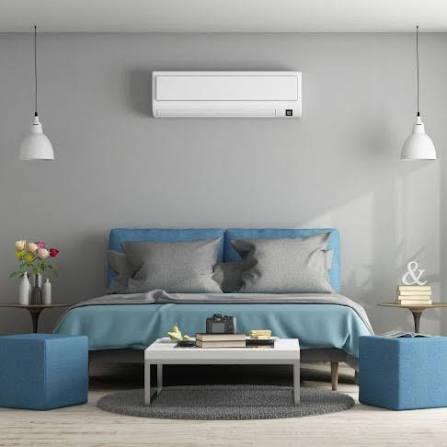
Start With the Cooling Requirements
Before selecting equipment, identify the areas that need cooling.
Customers requesting Aircon installations should provide information about:
- Room dimensions
- Ceiling height
- Property type
- Number of rooms
- Window sizes
- Sun exposure
- Typical occupancy
- Intended use of each room
- Existing electrical provision
- Preferred AC equipment
- Proposed indoor and outdoor locations
This information gives the contractor a better understanding of the project before preparing a quotation.
Choosing Suitable AC Equipment
Air conditioners come in different capacities and configurations. Therefore, the system should suit the room or area it needs to cool. Choosing solely according to the lowest purchase price can result in equipment that does not suit the intended application. For larger or unusual spaces, a site assessment can provide more information before equipment selection.

Installation Site Assessment
Some jobs can be discussed initially using measurements, photographs, and equipment details. However, more complicated projects may require an on-site assessment. A contractor can inspect potential mounting locations, access, piping routes, drainage options, and other installation considerations. This becomes especially useful for multiple-unit or commercial projects.
Indoor Unit Installation
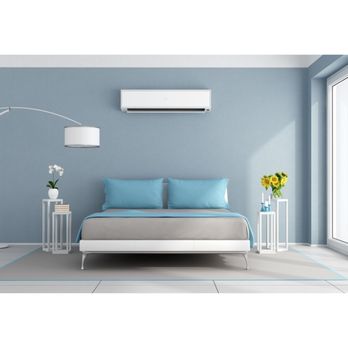
The indoor unit forms a visible part of many split-system Aircon installations, so its position requires careful planning. The installer considers available wall space, practical airflow, piping routes, drainage, and service access. Additionally, furniture placement and the normal use of the room can influence the proposed position.
Outdoor Unit Installation
The outdoor equipment also requires a suitable location. The installer needs practical access for installation and future servicing while following the requirements of the equipment. Furthermore, the position of the outdoor unit can influence piping distance and the overall scope of the project